How long a repair takes depends on the fault
Some calls are quick. A loose connection at the water pump or a tripped breaker can often be sorted while we're standing there. The longer jobs are the ones where the fault branches and each check decides what comes next.
The gas side of a refrigerator is a good example. If it won't run in gas mode, we start at the gas supply and pressure, then inspect the flue and burner for obstructions, then check the ignition components. Skip a step and you replace a good part instead of the bad one. If a job is going to run past one visit, for instance because a part has to be ordered, we tell you that and why.
Appliances need their own checks
Your refrigerator runs on 120-volt AC at the campsite and on LP gas when you're off the grid, and each mode fails in its own way.
When it won't run on 120-volt, we check AC power, the plug connections, the breaker, the selector switch, thermostat continuity, and heater resistance with a multimeter or ohmmeter. One bad connection anywhere in that chain looks like a dead fridge.
In gas mode, we put a manometer on the refrigerator's gas test point. The Dometic manual calls for 11 inches of water column there. If the reading is off, the problem is upstream of the burner and we chase it there. If the pressure is right, we move on to the flue, the burner and the ignition parts. Diagnosis comes first on appliance work, because guessing at a thermostat when the real problem was a loose wire means you pay twice.

Sealing a roof leak
A leaking roof is rarely one big hole. It's usually seams and penetrations where the sealant has aged out: vents, the antenna mount, skylights, and the corners where walls meet the roof. Anywhere something goes through the roof skin is a place water can get in.
Our roof-seam and penetration sealant treatment runs $600 to $1,500, depending on how many seams and penetrations need work. We walk the whole roof, not just the area over the ceiling stain, because the stain is often not where the water gets in. Treating only the obvious spot is how a leak comes back next season.
When to have it looked at
Get the roof seams and penetrations checked before the season you use the rig most, and again after a hard rain if you see a new stain or smell something musty. Don't wait on small symptoms either. A pump that cycles oddly or a fridge that runs warm is usually cheaper to fix now than after it has soaked a wall.
Where the rig sits matters too. The soil around Harlingen is very clayey and cracks when it dries. It also drains very slowly, and flat grades hold water after intense rain, with flooding possible in some areas. When we look at a rig, we check the ground it's parked on rather than assume it's firm and even.
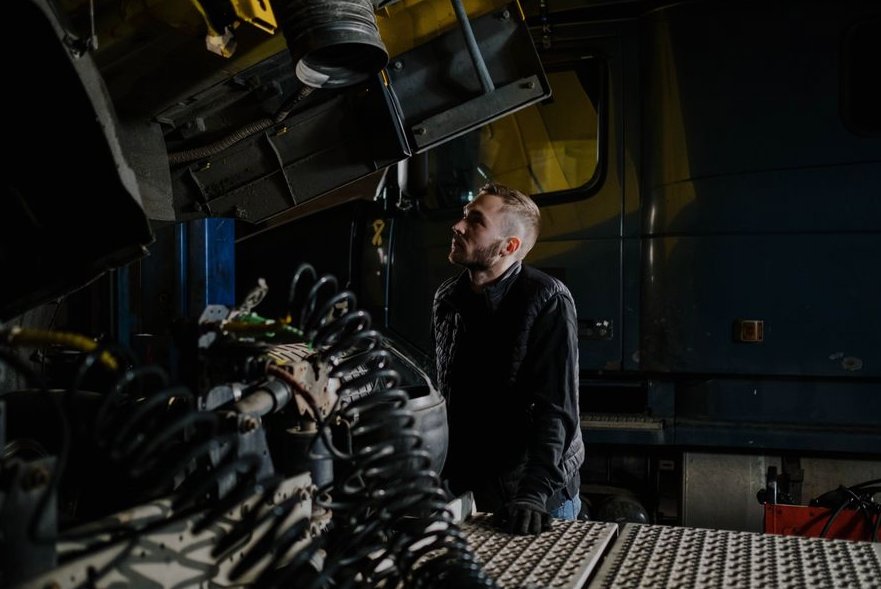
What to tell us when something isn't working
Start with the symptom, not the diagnosis you suspect. "The pump runs but no water comes up" or "the fridge clicks but doesn't start" tells us more than "I think the converter is bad."
On cost, we can give you a typical range on the call. A water pump replacement usually runs $150 to $275, for example. The exact number is confirmed once we've seen the rig. Call with what you're seeing, and we'll tell you whether it can wait, whether there's something you can check yourself, or whether we need to look at it.
Our Process
In practice, the work usually includes:
- Remove existing roof sealant carefully without damaging the roof membrane, then sweep or vacuum away debris.
What It Typically Costs
These ranges are a starting point for planning, and we'll explain what moves a price up or down.
$800–$2000
More Ways We Can Help
No-Pressure Inspections
(956) 506-1781Call (956) 506-1781 for a free inspection.
Request an InspectionUpdated October 2026